Top 5 Things You Should Know Before An Auto Glass Replacement
Auto glass repair, windshield replacement services, car window replacement services, auto window replacement, windshield repair
Top 5 Things You Should Know Before An Auto Glass Replacement
When it comes to auto glass replacement, knowledge is your best ally. Whether you're dealing with a chipped windshield or a shattered rear window, making informed decisions can save you time, money, and stress. The process may seem straightforward, but there are crucial details you need to consider before you hand over your keys. From understanding the types of glass used to knowing your rights with insurance claims, being well-prepared can make all the difference. Not only will it enhance your safety on the road, but it will also ensure that the job is done right the first time. In this article, we’ll explore the top five things you should know before getting an auto glass replacement. Equip yourself with the insights you need to navigate this crucial automotive repair, so you can hit the road confidently and safely once again. Let’s dive into what’s essential for your upcoming replacement!
Understanding Auto Glass Replacement
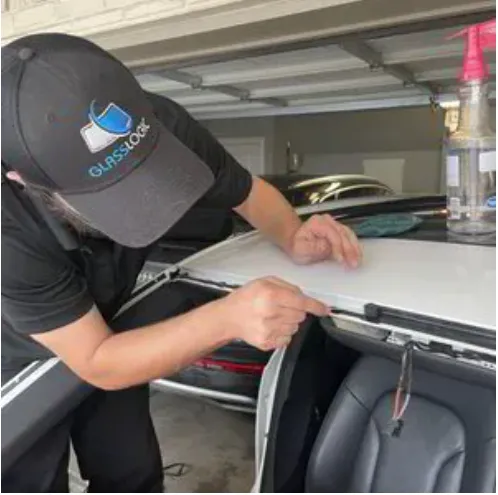
Auto glass replacement is an essential service that ensures the integrity and safety of your vehicle. When your car's glass is damaged, it compromises not only your visibility but also the structural strength of your vehicle. This process involves removing the damaged glass and installing a new piece, whether it's the windshield, side windows, or rear window. Understanding the intricacies of this service can help you make informed decisions and ensure that the replacement is done correctly. One of the first things to understand about auto glass replacement is the different types of glass used. Typically, windshields are made from laminated glass, which consists of two layers of glass with a plastic layer in between. This design helps prevent the glass from shattering into sharp pieces upon impact. On the other hand, side and rear windows are usually made from tempered glass, which is treated to be stronger and shatter into small, dull pieces rather than sharp fragments. Knowing the type of glass your vehicle uses can help you understand the replacement process better. It's also important to know that auto glass replacement requires specialized tools and skills. Professionals use various techniques and equipment to ensure the new glass is installed properly and securely. Choosing a reputable glass replacement service with trained and certified technicians is crucial. This ensures that the job is done right the first time and that your vehicle remains safe to drive. Proper installation is vital for maintaining the structural integrity of the car and ensuring that the new glass adheres correctly.
Common Reasons for Auto Glass Replacement
Auto glass can be damaged in numerous ways, necessitating replacement. One of the most common reasons is accidents and collisions. Even a minor fender-bender can cause significant damage to your windshield or windows. The impact can create cracks, chips, or even shatter the glass, making replacement unavoidable. Understanding the extent of the damage and whether it affects the safety and visibility of your driving is essential. Another common reason for Dauto glass is weather-related damage. Severe weather conditions such as hailstorms, heavy snowfall, or even extreme heat can cause damage to your auto glass in Dallas Texas. Hail can create dents and cracks, while temperature fluctuations can weaken the glass over time. If you live in an area prone to harsh weather, it's important to inspect your auto glass regularly and replace it when necessary to prevent further damage. Vandalism and theft are also significant reasons for auto glass replacement. Unfortunately, incidents of vandalism, such as someone throwing a rock through your window, or theft attempts, like breaking the glass to access the vehicle, are common. These situations not only compromise the security of your car but also require immediate attention to replace the damaged glass. It's crucial to address such damage promptly to maintain the safety of your vehicle.
What to Expect During the Replacement Process
When you take your vehicle in for an auto glass replacement, it's helpful to know what to expect. The process generally begins with an assessment of the damage. A technician will inspect the glass to determine the extent of the damage and whether the entire piece needs to be replaced or if a repair is possible. This initial assessment is crucial for tailoring the replacement process to your specific needs. Once the assessment is complete, the technician will prepare for the glass removal. This involves carefully removing the damaged glass while ensuring no additional harm is done to the vehicle. The process requires precision and skill, as improper removal can lead to further damage or complications. The technician will also clean the area thoroughly to remove any debris or adhesive residues, ensuring a clean surface for the new glass installation. Installing the new glass involves applying a special adhesive to secure it in place. This adhesive is designed to bond the glass to the vehicle firmly, ensuring it remains in place under various conditions. The technician will align the new glass carefully to ensure a perfect fit and seal. Once installed, the adhesive needs time to cure, which usually takes a few hours. During this period, it's important to avoid driving the vehicle to allow the adhesive to set properly.
Post-Replacement Care and Maintenance
After your auto glass has been replaced, proper care and maintenance are crucial to ensure its longevity and effectiveness. One of the first steps is to avoid washing your car for at least 24 hours after the replacement. This allows the adhesive to cure fully without being disturbed by water or cleaning agents. Washing the car too soon can compromise the bond and lead to issues down the line. It's also important to avoid slamming doors or driving over rough terrain immediately after the replacement. Sudden impacts or vibrations can affect the adhesive's curing process and the stability of the new glass. Gentle handling of your vehicle during the initial period post-replacement is essential to ensure the glass sets correctly and maintains its structural integrity. Regular inspections and maintenance can help prolong the life of your new auto glass. Periodically check for any signs of damage, such as chips or cracks, and address them promptly. Keeping your car clean and free from debris can also prevent scratches and other minor damages. Ensuring that your wipers are in good condition and replacing them when necessary can prevent streaks and scratches on your windshield, contributing to the longevity of the glass.
Insurance Coverage for Auto Glass Replacement
Understanding your insurance coverage is a crucial aspect of managing auto glass replacement costs. Many car insurance policies include coverage for windshield and window replacements, often with little to no deductible. It's essential to review your policy and understand the specifics of your coverage, including what types of damage are covered and any limitations that may apply. Contacting your insurance provider as soon as you notice damage to your auto glass can help streamline the replacement process. They can guide you through the claims process and connect you with approved service providers. Some insurance companies even offer mobile glass replacement services, where technicians come to your location to perform the replacement, adding convenience to the process. It's also worth noting that some insurance policies offer coverage specifically for auto glass repairs, separate from full replacements. If the damage is minor and can be repaired, this option may be more cost-effective and quicker. Understanding the different coverage options and what applies to your situation can help you make the best decision and minimize out-of-pocket expenses.
Cost Factors in Auto Glass Replacement
The cost of auto glass replacement can vary significantly based on several factors. One of the primary determinants is the type of glass used in the replacement. Laminated glass for windshields tends to be more expensive due to its construction and safety features. Tempered glass for side and rear windows may be less costly but still requires professional installation. Another factor influencing cost is the make and model of your vehicle. Higher-end or luxury vehicles often require specialized glass and installation techniques, which can increase the overall cost. Additionally, certain features such as rain sensors, heating elements, or advanced driver assistance systems integrated into the windshield can add to the complexity and expense of the replacement. Labor costs also play a significant role in the total expense of auto glass replacement. Professional technicians with specialized skills and certifications may charge higher rates for their services. However, investing in quality labor ensures that the job is done correctly and safely. It's important to balance cost considerations with the need for a reliable and professional service to avoid future issues.
Signs You Need a Replacement vs. Repair
Determining whether you need a full replacement or a simple repair can be challenging. One of the key signs that a replacement is necessary is extensive damage, such as large cracks or shattered glass. If the damage obstructs your view or compromises the structural integrity of the glass, a replacement is typically required. Small chips or minor cracks may be repairable, but larger issues necessitate a full replacement. Another indicator that you need a replacement is the location of the damage. Cracks or chips in certain areas, such as directly in the driver's line of sight or near the edges of the glass, can weaken the overall structure and pose safety risks. Repairs may not be sufficient in these cases, and a full replacement is the safer option to ensure the integrity of the glass. The age and condition of your auto glass also play a role in determining the need for replacement. Older glass that has been subjected to wear and tear over time may be more prone to damage and less effective in terms of safety. If your glass shows signs of significant deterioration, replacing it can enhance the safety and performance of your vehicle.
